

Good art should be for all, and you shouldn’t need millions to collect it. What prevents so many from owning art often amounts to antiquated hang-ups around thinking art collecting is only for a select few — that you need to know about the art market to do it or you need to travel to galleries and spend a fortune to own it. Wrong.
What you really need is confidence — confidence in your own taste and your own choices. This is easier said than done, but read on. You too can build a deeply personal art collection rooted in the idea of all things emerging — emerging artists, emerging collectors (that’s you), and hopefully, as a result, an emerging sense of self.
Starting an art collection can be overwhelming and intimidating, especially if you’re coming at it from the angle of starting a collection, which conjures ideas of loftiness and unattainability that puts many people off at the outset.

Georgia Spray
Elena Bazu
It should be an organic process, built slowly over time and not hinged on investment value or the need to fill wall spaces quickly or all at once. The process of discovery and learning involved in buying art is super rewarding and so important. The enjoyment you get out of the collecting process can be on a par with the enjoyment you get out of the finished artwork itself.
Investing time in the “discovery process”, the part before you buy the work, directly informs your ability to appreciate the work once it is purchased and displayed. If you’ve taken time to research the artist and to understand the artist’s practice, then I assure you this will give you more from owning the piece. It’s exciting to own an artist’s work while actively following their career at the same time.

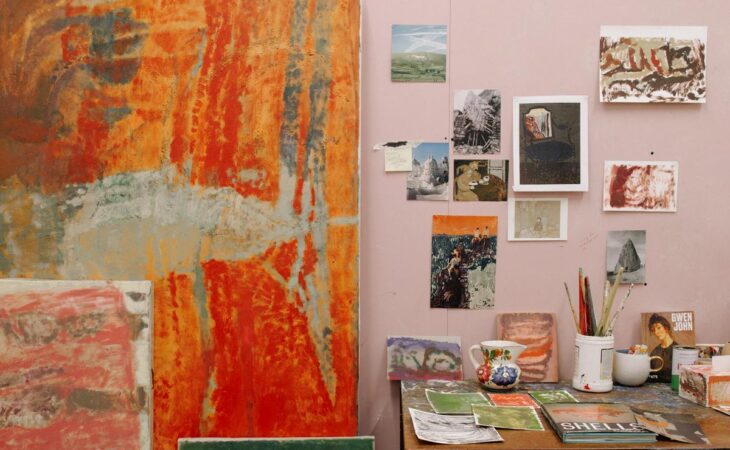
Katarina Lalic’s studio, Elena Bazu
Elena Bazu
Like our clothes and the way we design our homes, our art choices say something about us and it’s wonderful to embrace that aspect. Your collection may become a storyboard of your life over the years.
The art you collect will be totally subjective. It’s less about worrying that you might get it wrong and more about using tools and strategies to better understand your own taste. A certain amount of research and education can help but it’s even better to always keep in mind that there are few definitive rights and wrongs when collecting art. The most important thing is that you love the work. Here are some initial steps you can take to begin tuning in to your own personal aesthetic and finding the art you love.

The home of a collector
Elena Bazu
Visit galleries and museums
This is a great way to understand what you’re drawn to aesthetically. Try visiting a museum with a partner or friend and pretend that you have an unlimited amount of money to buy any artwork in the world. Which works would you hang in your home? Try to be instinctive here and don’t think about which work is most valuable or how well-known the artist is. Take photos of your favourite pieces as you go through the gallery then swipe through your selections. Do you spot any trends?
Collect postcards and prints
Pin them in your workspace or on your fridge. It’s great to sit with works for a while to experiment with which ones you keep coming back to and hold your interest. Try moving postcards around different rooms and get a feel for how different pieces in your home can change the mood of the room — or the room might change the feel of the work. Allow yourself to be daring with your postcard collection in a way you might be timid to do with an artwork straight away. You may surprise yourself in finding that you enjoy more experimental works than you thought you would.
Follow artists and institutions on social media
Social media is a brilliant resource for starting an art collection. Once you follow a few favourite artists, the feed will begin showing you other artists who might be of interest. It’s the algorithm at its best. Of course, you shouldn’t rely entirely on this method for finding art, and it’s important to start out on the right footing. Follow artists at some of the leading international art schools to discover up-and-coming talent. You can also find artists by looking at past alumni.

A Bruce Ingram sculpture in Matt Harris and Charlie Collins’ home
Elena Bazu
Try starting a saves folder with work that catches your eye. You can organise your saves further according to different themes or even by room, if you happen to be doing a renovation. I rely heavily on my “Artists to Watch” folder that I constantly dip in and out of and add to.
Art schools often host an annual or biannual degree show to exhibit the work that artists have created during their time there. These shows are usually free and open to all, and they’re an excellent way to discover new talent and chat to artists directly about their work. They often have some affordable options such as works on paper or prints if you don’t want to commit to something larger scale. Degree shows tend to happen at the end of an academic term, often in early summer. Check your local art school websites and mark the dates in your diary. Try purchasing a work and supporting an artist at this stage in their career. You’ll be buying into the artist as much as the artwork — and you can always hope that you might be collecting the next Tracey Emin or Damien Hirst. I’ve discovered loads of the Partnership Editions portfolio from degree shows and have collected many works from them myself.

Leave Your Comment